The Smartest Ways to Travel Around Italy Without Overspending
Author:sana
You could spend a lifetime in Italy and still miss half of it. Roman ruins, Sicilian coastlines, Alpine valleys — the country packs more sights into its boot-shaped borders than most travellers could cover in a dozen trips. So how do you get between all these places without wasting too much time or money? Here’s what you need to know before you go.
Before You Leave: Small Moves That Save Big Headaches
Doing a bit of planning before departure can help you avoid fines, missed connections, and high roaming charges.
Get an eSIM (Skip the Roaming Chaos)
Reliable mobile data makes it much easier to book train tickets, navigate old city centres, and track local buses.
The easiest solution is an eSIM – you buy it online, scan a QR code, and it activates before you land. Most cost €5–15 per week, far cheaper than what your home carrier would charge.
Italy has four mobile operators, but the network you actually get depends on the eSIM provider. TIM (Telecom Italia) has the widest coverage, especially in mountains like the Dolomites, along the Amalfi Coast, and in rural Tuscany. Vodafone Italy is fine in cities but drops off quickly outside them. If your eSIM runs on TIM’s network, you’re in good shape.
A warning for EU travellers: the “Roam Like At Home” rule has a Fair Usage Policy. Many “unlimited” EU plans cap roaming data at 10–15 GB. That sounds like a lot, but between uploading photos, using maps, and video calls, you can burn through it in a week.
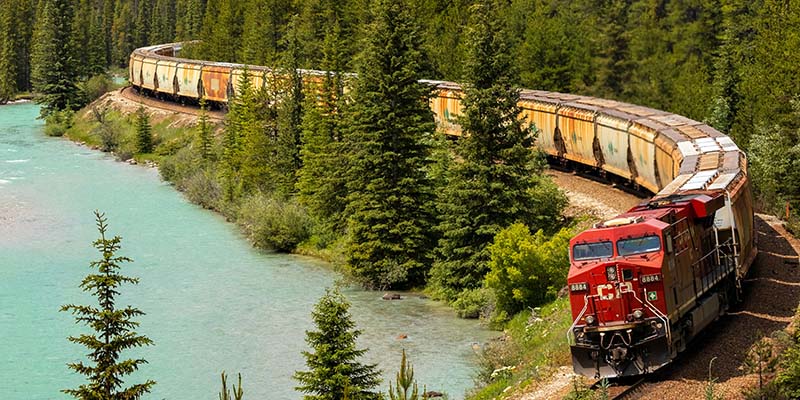
Trains: The Backbone of Italian Travel
Italy’s rail network covers most of the country. Rome, Florence, Naples, Bologna, Venice, Palermo – all connected by frequent service.
The Three Train Types
Regionale (regional trains) – Slow and cheap. They stop at almost every station. Tickets don’t change price, and seats are first come, first served. A ride from Florence to Pisa costs around €3–15.
InterCity (IC) – Faster than regional trains, connecting major cities. Reserved seating required.
Alta Velocità (high speed) – Modern trains hitting 300 km/h (186 mph). Two companies run them: state owned Trenitalia (their high speed brands are Frecciarossa, Frecciargento, Frecciabianca) and private Italo. Italo only runs on the high speed lines linking Turin, Milan, Venice, Bologna, Florence, Rome, Naples, and Salerno.
How to Book Train Tickets Without Paying Extra Fees
Always buy tickets directly from Trenitalia or Italo. Third party resellers add fees and make refunds a nightmare. The official apps (Trenitalia and Italo Treno) give you a QR code – no need to print anything.
For regional trains: No need to book ahead. Prices don’t change. But there’s a trap: if you buy a paper ticket at a station counter or machine, you must validate it before boarding. Look for the yellow or green validation machines on the platform or in the station hall. Stick the ticket in, and it gets a timestamp. Unvalidated tickets are considered unused, and inspectors fine you heavily. Online tickets skip this step entirely – just board.
For high speed trains: Book 4 to 6 weeks ahead for the best discounts. Tickets typically go on sale up to four months before departure. Weekend travellers should check Trenitalia’s Weekend Return Offer, which gives 40% off InterCity tickets.
Notes
Many cities have multiple stations. Rome’s main station is Termini (serves 150 million passengers a year), but there’s also Tiburtina and Ostiense. Florence’s main station is Santa Maria Novella (often abbreviated SMN). Always check which station your train arrives at.
Left luggage: Major stations have official storage. At Roma Termini, you can leave bags for €6 for the first five hours, open 6 am to 11 pm. For smaller stations without official storage, try Radical Storage – it connects you with local shops that hold your bags securely and insured.
Discount passes: The Italia in Tour ticket is a great deal: unlimited regional train travel for three consecutive days (€29) or five days (€49).
Buses: Where Trains Don’t Go
Trains don’t reach every hilltop village or remote national park. That’s where buses come in.
Intercity coaches: Private companies like FlixBus, Itabus, and Marinobus connect almost every corner of the country. Slower than trains, but cheaper and they go places trains don’t. Book tickets online through their websites.
Local buses: Tickets cost less than €2 and are sold at newsstands and tobacconists (shops with a “T” sign). You can buy from the driver, but you’ll pay extra. Google Maps and the Moovit app are reasonably reliable for schedules.
City by City: Transit That Actually Works
Each city has its own quirks. Here’s the short version.
Rome
Metro lines A, B, and C plus buses and trams. A single BIT ticket costs €1.50, covers metro, bus, and tram for 100 minutes. You must stamp it on first use.
Which pass to buy
Roma 24H (€7) – unlimited travel for 24 hours
Roma Pass 48H/72H (around €33/€40) – unlimited public transport plus free entry to 1 or 2 museums (Colosseum, etc.) and discounts on 40 others
CIS weekly pass (€24) – best deal if you stay more than 3 days; cheaper than the 48 hour Roma Pass
Kids under 10 ride free with a paying adult.
Pro tip:
The metro isn’t affected by traffic. During rush hours (7–9 am and 5–7 pm), it’s much faster than buses.
Milan, Florence, Naples, Venice, Bologna
Milan: Four metro lines, excellent coverage. Single ticket €2.20, valid 90 minutes. Metro runs roughly 6 am to midnight.
Florence: The historic centre is walkable. Buses serve areas further out. The Firenze Card (€85 for 72 hours) includes museums and transport, but only worth it if you plan to visit several museums.
Naples: Metro and the Circumvesuviana train (to Pompeii and Sorrento) are essential. Note: Naples is not on the mainline network for Pompeii. Take a train to Naples Centrale, then buy a local ticket for the Circumvesuviana Railway.
Venice: No cars. Vaporetti (water buses) and water taxis are your only options. ACTV vaporetto passes start at €25 for 24 hours.
Bologna: Compact and very walkable. Most sights are within 30 minutes on foot.
Taxis and Ride Hailing Apps
You rarely hail a taxi on the street in Italy. Go to a stand, call, or use an app.
FREENOW (formerly MyTaxi) is the most widely available app. Works in Rome, Milan, Florence, Turin, Naples, and Bologna. Connects you with licensed taxi drivers, lets you pay in the app, and allows advance booking.
IT Taxi is another popular app. It aggregates local taxi groups and is often cheaper than FREENOW.
Uber in Italy is not the Uber you know. Only Uber Black operates – premium service with licensed professional drivers. Regular UberX is basically nonexistent.
Taxi tips that matter
Make sure the meter is running
Ask the fare before you start
Confirm card payment is accepted
Get a receipt (tourist scams are real)
If you need a wheelchair accessible taxi (sedia a rotelle), say so when you call.
The ZTL Trap: Every Driver’s Nightmare
One of the most common and expensive driving mistakes in Italy is entering a ZTL zone by accident.. These are limited traffic zones that cover the historic centre of almost every Italian city.
Cameras scan license plates at the entrance, and vehicles without authorization are automatically fined. No human reviews, no leniency. Fines start at €80–100 per violation, and each camera can issue a separate fine. Then the rental car company adds an admin fee of €30–60 per violation.
How to spot a ZTL
Look for a round white sign with a red border, plus the words “ZTL” or “Zona Traffico Limitato” and the hours of enforcement. Electronic signs show “attivo” (active) or not.
How to avoid fines
Use Waze or Google Maps – they mark most ZTLs, but don’t trust them completely
Watch road signs with your own eyes
Ask your rental car company about ZTLs and permitted routes
Park outside the historic centre and walk or take public transport
Some hotels can register your car for temporary access – ask when you book. But if you enter a ZTL by mistake, the fine will still come.
Ferries: Reaching the Islands
Italy’s islands are worth the trip, but you need a ferry. Main departure points for Sicily and Sardinia: Genoa, Livorno, Civitavecchia (near Rome), and Naples. Most crossings are overnight across the Tyrrhenian Sea.
Major ferry companies: Tirrenia, Grimaldi Lines, GNV, Corsica Ferries, Siremar, and Caronte & Tourist serve Sardinia and Sicily. For the islands in the Gulf of Naples (Capri, Ischia, Procida) and the Amalfi Coast, use SNAV, Caremar, Alilauro, Medmar, or Travelmar.
Booking advice: Low season passenger tickets can be as cheap as €25 (Livorno to Olbia). Summer prices are much higher. Book early for summer travel. Grimaldi Lines opens early booking deals from January to March for June–September departures. The Ferryhopper app lets you book island hopping itineraries across multiple islands.
On long overnight ferries, you can book a cabin (2–4 persons) or a poltrona (airline style armchair). Deck class is available on some ferries – bring a sleeping bag if you choose that.
Driving or Scootering
If you want to explore the countryside, mountains, or smaller islands, having your own vehicle (or a Vespa) gives you freedom that buses can’t match.
Car rental basics: You must be at least 21, have a credit card, and a valid driver’s license from your home country. An International Driving Permit is recommended. Book well ahead for summer – post pandemic shortages mean prices go through the roof in peak season. Rent a small compact car. It uses less fuel and fits better in narrow lanes and tight parking spots.
Scooter rental: Prices start at about €35 per day for a 50cc scooter, €150 per week. A car license lets you ride up to 125cc. For anything above that, you need a motorcycle license. Helmets are compulsory.
Road rules you must follow
Seat belts required for front and rear seats
Headlights on outside built up areas
Carry a warning triangle and a fluorescent safety vest (for breakdowns)
ZTL rules apply to scooters too
Road types
Strada normale – normal urban roads, speed limit 30–70 km/h
Superstrada – free multi lane roads with blue signs, limit 90 km/h. Scooters and bicycles are not allowed.
Autostrada – toll motorways, limit 130 km/h
Road conditions are generally good, but expect potholes on smaller secondary roads. Drivers in some areas can be aggressive, especially in busy cities, so defensive driving helps.
When Trains Stop: Handling Strikes
Italian unions call scioperi (strikes) often. Trains, buses, metros, even flights. Every traveller should know what to do.
A strike usually lasts 24 hours but has guaranteed service windows (fascia di garanzia). Those windows are typically 6–9 am and 6–9 pm – essential services still run during those hours. For high speed trains (Freccie and Intercity), if a train departs before the strike starts and is expected to arrive within the first hour of the strike, it may complete its journey.
If you’re travelling on a strike day
Check the official Trenitalia, Italo, or Trenord apps and websites for real time updates
Call the toll free number 800 89 20 21 for information
You can request a refund: up to departure time for high speed and Intercity trains; by midnight the day before for regional trains
Consider moving your trip to a guaranteed window
Strikes rarely disrupt flights much, so flying can be a backup option when ground transport is a mess.
Ferries to Sicily and Sardinia: Extra Details
For Sicily, ferries leave from Villa San Giovanni, Reggio Calabria, Naples, Genoa, and Livorno. Main arrival points: Palermo, Catania, Trapani, and Messina.
For Sardinia, ferries leave from Genoa, Livorno, Civitavecchia, and Naples. Main arrival points: Cagliari, Arbatax, Olbia, and Porto Torres.
Save money: Book early. Grimaldi Lines offers 20% discounts on some departures with advance purchase. GNV runs promotions with up to 50% off for Sicily and Sardinia routes, though booking windows are limited.
If you’re bringing a rental car on the ferry, book vehicle space months ahead for summer. Spots sell out.
A Final Check Before You Go
Here’s a simple checklist for smooth travel in Italy.
Before you leave
Install the Trenitalia and Italo apps
Buy an eSIM that uses the TIM network if you’re going to mountains or coastal areas
Book high speed train tickets 4–6 weeks early
At the station
Validate paper regional tickets before boarding. QR code tickets? Just board.
In cities
Rome: buy the CIS weekly pass (€24) if staying 3+ days. Otherwise tap your contactless card at metro gates.
If you drive
Know your ZTLs. Use Waze. Park outside historic centres. Ask your rental company.
During a strike
Check apps. Travel during guaranteed windows (6–9 am and 6–9 pm). Request refunds if needed.
Island hopping
Book ferries early for summer. Compare Tirrenia, Grimaldi, and GNV for the best deals.
With a bit of preparation, getting around Italy becomes far less stressful and leaves you more time to enjoy the trip itself.
Latest News
Travel Italy Differently: 6 Scenic Train Rides You Can’t Miss
March 13, 2026

How To Plan A Multi-City European Trip: A Step-By-Step Guide
February 9, 2026
How Kochi Became India’s Must-Visit City for Food Travelers
November 30, 2025

Best Night Markets in Asia That Stay Open Till Dawn
September 27, 2025

7 Best Last-Minute Romantic Getaways You Can Book Right Now
September 19, 2025

Senior Travel: The Ultimate Book on Planning Relaxing, Fun Trips
September 14, 2025